Home is Where the Kitchen Is: A Heartwarming Embroidery Design Review
As an embroidery designer with years of experience in creating and reviewing machine embroidery designs for a variety of projects, I’ve come across many that promise charm but fall short when stitched. Home is Where the Kitchen Is is one of those rare designs that not only delivers on its aesthetic appeal but also stands up well in practical applications.
First Impressions and Visual Personality
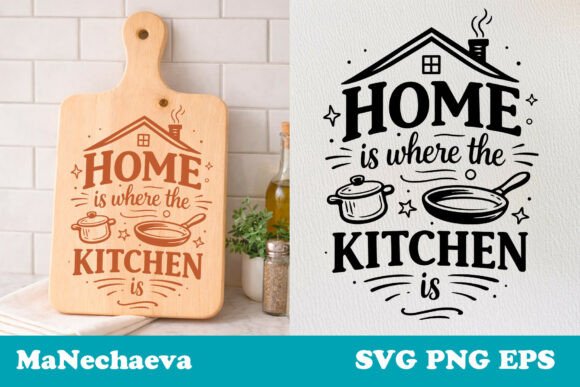
The moment I opened the digital embroidery file, it was clear that this design was crafted with intention. The illustration features a cozy little house nestled among familiar kitchen elements like pots, pans, and utensils, with the phrase “Home is where the Kitchen is” elegantly woven into the layout. It’s a warm, inviting piece that instantly evokes a sense of comfort and domestic joy.
From a visual standpoint, the design feels balanced—neither too cluttered nor too sparse. The soft lines and gentle curves make it feel approachable, while the inclusion of both architectural and culinary motifs adds depth. This makes it a strong candidate for handmade products that aim to convey a homely or nostalgic vibe.
Real-Life Application: Custom Tote Bags
Let me walk you through how I’d use this design in a real project. Recently, I was tasked with designing a custom tote bag for a boutique selling artisanal coffee and tea. The client wanted something unique yet relatable, something that spoke to the idea of home and comfort. Home is Where the Kitchen Is fit perfectly.
I tested the design on a medium-weight cotton canvas using a 4x4 inch hoop. The overall layout adapted well to the fabric, and the stitch density felt just right—not so tight that it risked puckering, and not so loose that it lost definition. The cookware details were rendered clearly, and the text was legible without being overly large or intricate.
After stitching, the tote had a charming, finished look that customers loved. It wasn’t too busy, which helped it stand out on shelves, and the colors blended beautifully with the natural fabric tones. As a sweatshirt embroidery option, it would also work well, especially for family gifts or personalized holiday sweaters.
Small Projects and Baby Items
This design could also be a great fit for smaller items like embroidered patches or baby clothes. Imagine a onesie or sleeper with the house and text subtly placed on the front. The softness of the imagery complements the innocence of baby wear without overwhelming it. However, keep in mind that the detailed corners and delicate lines may require careful attention if scaling down for tiny sizes.
Where It Shines Best
- Custom Apparel: Sweatshirts, t-shirts, and hoodies benefit from the design's warmth and simplicity. It works especially well in tonal thread color schemes for a muted, modern look.
- Tote Bag Design: The flat layout and moderate size make it ideal for totes, particularly those made from quilting cotton or similar materials.
- Kitchen Towels & Tea Towels: The thematic nature of the design aligns perfectly with these items, making them feel more personal and thoughtful.
- Pillow Covers & Nursery Decor: Its comforting visuals can add a touch of personality to home décor pieces, especially in spaces like nurseries or kitchens.
- Holiday Gifts: Whether as part of a Christmas ornament or a personalized gift tag, the design brings a festive, homey feel.
What really sets Home is Where the Kitchen Is apart is how it elevates the product value. It doesn’t just look good—it feels good. Customers are drawn to it because it tells a story about home, love, and shared meals. That emotional connection can boost customer trust and increase the perceived quality of your handmade product.
Design Considerations for Crafters and Etsy Sellers
While the design is visually appealing, there are some aspects to consider before using it in your next embroidery project:
- Fabric Texture: Avoid very textured fabrics like denim or flannel unless you’re prepared to adjust stitch density and stabilizer usage. Smooth cottons or light quilting cotton will give the best results.
- Thread Color Contrast: Make sure the thread colors you choose contrast well with the background fabric. A black and white printable mockup can help you visualize this before stitching.
- Hoop Size: Check the recommended hoop size (if available) and test it on scrap fabric first. Some versions of the design might need a larger hoop for full clarity.
- Stabilizer: Use a proper stabilizer to prevent distortion, especially if working with stretchy or thin fabrics. A tear-away or cut-away stabilizer is often necessary depending on the base material.
- Commercial Use: If you're an Etsy seller or running a craft business, always confirm the licensing terms of the machine embroidery design before using it in any commercial embroidery project.
Testing Before Production
One of my key recommendations is to always test the design on a scrap piece of fabric before committing to a full production run. Look closely at areas with dense stitches, like the roof of the house or the edges of the cookware. These might cause puckering if not properly stabilized or if the stitch density isn’t adjusted for your specific fabric.
Also, take time to inspect small details such as the window panes or the curve of the text. If they appear too fine or crowded, consider rescaling the design slightly or simplifying certain sections for better stitch clarity.
Visual Appeal and Branding Potential
For those running a small shop product line or developing design assets for a boutique brand, this design can become a signature element. Its recognizable theme supports brand consistency, and its friendly tone aligns with makers who focus on lifestyle and home goods.
In terms of buyer engagement, the design has broad appeal. It resonates with people who appreciate thoughtful personalized gifts, and it can even serve as a subtle statement piece for custom apparel aimed at food lovers or homeowners.
Giftability and Recognition
When it comes to holiday gifts or family-themed items, this design scores high in giftability. Its message is universal and heartfelt, making it perfect for wedding gifts, housewarming presents, or even as part of a themed collection for a local market or craft fair.
Customers tend to recognize the sentiment quickly, which is important for quick decision-making in retail settings. The design doesn’t shout; it whispers, and that quiet charm often wins over buyers.
When to Proceed with Caution
Despite its versatility, there are a few situations where Home is Where the Kitchen Is might not perform as expected:
- Dark Fabrics: The soft, pastel-style illustration may lose impact on darker backgrounds. Test different thread colors to maintain visibility.
- Stretchy Materials: Stretchy knits can distort the design unless you use the right stabilizer and possibly reduce stitch density in problematic areas.
- Curved Surfaces: If you're considering placing it on a cap or curved surface, be aware that the shape of the house and text may not sit perfectly. You may need to tweak the placement or scale accordingly.
- Dense Stitch Areas: Some parts of the design have complex fill stitches that could lead to stiffness or pilling if used on frequently washed items like aprons or towels.
A Note on Professionalism
Even though the design has a casual, hand-drawn feel, it still maintains a level of professionalism suitable for both hobbyists and commercial creators. When stitched cleanly and applied thoughtfully, it contributes to a polished, high-quality finished product that reflects well on your work as a maker or decorator.
Final Thoughts for Makers and Merchants
Home is Where the Kitchen Is is more than just an attractive embroidery file—it’s a versatile and emotionally resonant applique design that can enhance a wide range of handmade and commercial products. Whether you're crafting for yourself or preparing inventory for your craft business, this design offers a reliable foundation for creative expression.
Still, as with all embroidery designs, success depends on thoughtful preparation. Confirm the thread colors, review the stitch density, and test it on fabric similar to what you’ll be using for the final product. With a bit of care, this design can become a staple in your Graphics library and a favorite among your customers.
If you’re looking for something that feels personal yet professional, something that fits well into Crafts like sweatshirt embroidery or nursery decor, this design is worth exploring. Just remember to stitch smart—and always check the license before offering it as a commercial embroidery asset or digital product.